Мы в агентстве «Пионер» регулярно получаем вопросы от студентов профильных вузов: «Можно ли пройти у вас практику?» Наш ответ всегда утвердительный.
Мы убеждены, что связи с общественностью — это прикладная отрасль, где теоретические знания должны подкрепляться реальным опытом как можно раньше. Начинать погружение в профессию стоит уже со 2 или 3 курса. Именно поэтому воспитание молодых кадров является важным направлением нашей работы. Мы всегда идем навстречу активным студентам и даем им возможность увидеть изнанку коммуникационного бизнеса.
Практика в КА «Пионер» — это не формальное присутствие, а полноценная тренировка навыков. Наши стажеры вовлечены в ключевые бизнес-процессы:
- учатся выстраивать коммуникацию с подрядчиками и заказчиками;
- присутствуют на рабочих встречах, перенимая опыт ведения переговоров;
- изучают специфику работы поисковых систем и алгоритмы площадок с отзывами;
- знакомятся с журналистами и формируют базу контактов;
- осваивают мастерство написания и размещения пресс-релизов;
- проводят аналитику клиентских социальных сетей;
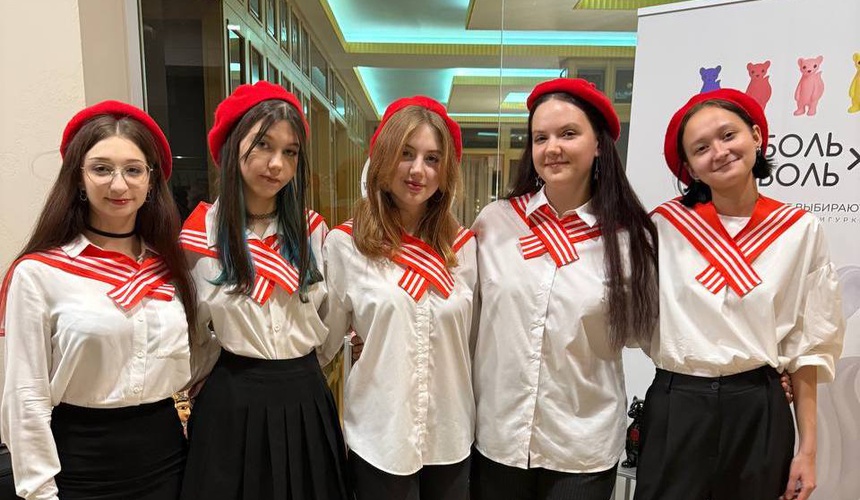
- участвуют в подготовке и проведении масштабных мероприятий и форумов.
Мы верим, что поддержка начинающих специалистов помогает развивать индустрию в целом. Если вы хотите сделать первые шаги в PR вместе с командой профессионалов, мы ждем вас.
Как попасть на практику?
Просто отправьте свой запрос нам на почту: garanina@p1r.ru — мы обязательно свяжемся с вами!